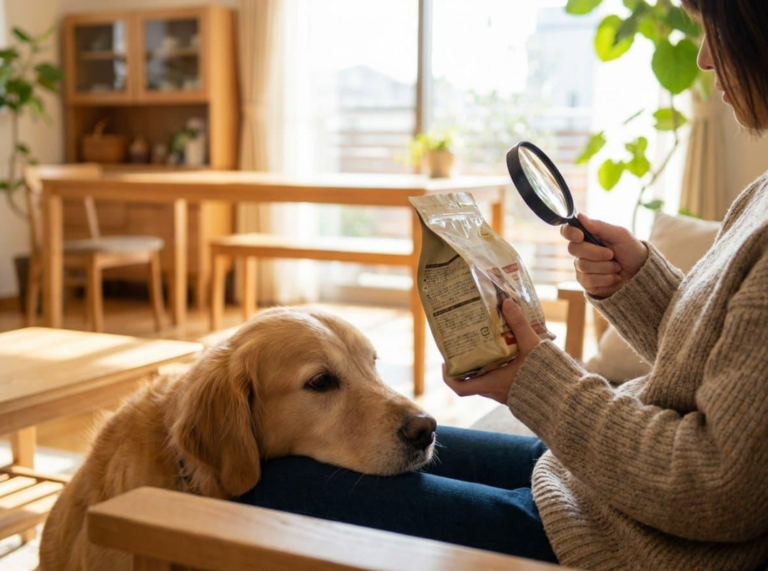
More and more people are concerned about what their dogs eat and are looking for alternatives to offer them a diet adapted to their needs. Natural nutrition is one of the options that arouses the most interest, but it also generates many doubts.
What foods do dogs need? How can we change your diet? Is it enough to offer them natural ingredients?
If you are thinking about improving your companion's diet, in this article we review seven common mistakes that should be avoided.
1. Thinking that natural means complete
One of the most common mistakes is believing that any natural food is suitable for a dog.
Even if we use quality ingredients, a diet can have nutritional deficiencies or excesses if it is not correctly formulated.
Dogs need a balanced combination of nutrients, such as proteins, fats, vitamins and minerals, in amounts that vary depending on their age, size and health.
Therefore, it is not enough to choose ingredients that seem healthy: we must make sure that the diet covers all their needs.
2. Copy another dog's diet
Have you seen a dog's diet on social media and have you thought about doing the same with yours?
Although it can help you discover new options, each dog has different needs.
A growing puppy does not need the same things as an adult dog. A very active dog does not have the same requirements as another with a more sedentary life.
Before changing your diet, it is important to assess your individual characteristics and, if necessary, consult with a veterinary professional or veterinary nutritionist.
3. Change your diet from one day to the next
Introducing a new food suddenly can cause digestive discomfort in some dogs.
Therefore, when the situation allows it, it is usually advisable to make a progressive transition and observe how the animal responds.
During the change, pay attention to your stool, appetite and general condition.
If vomiting, persistent diarrhea, or other concerning symptoms appear, consult your veterinarian.
Remember that transitions must be adapted to each case, especially when there are health problems or specific dietary needs.
4. Not controlling quantities
A quality diet can also contribute to weight gain if we offer excessive amounts.
To determine how much a dog should eat, we must consider its weight, physical activity, age, body condition and the calories provided by its food.
It is also important to count the snacks and prizes you receive during the day.
Monitoring your weight periodically will help us detect changes and adjust amounts when necessary.
5. Not paying attention to food safety
Hygiene is essential when we handle food for our dogs.
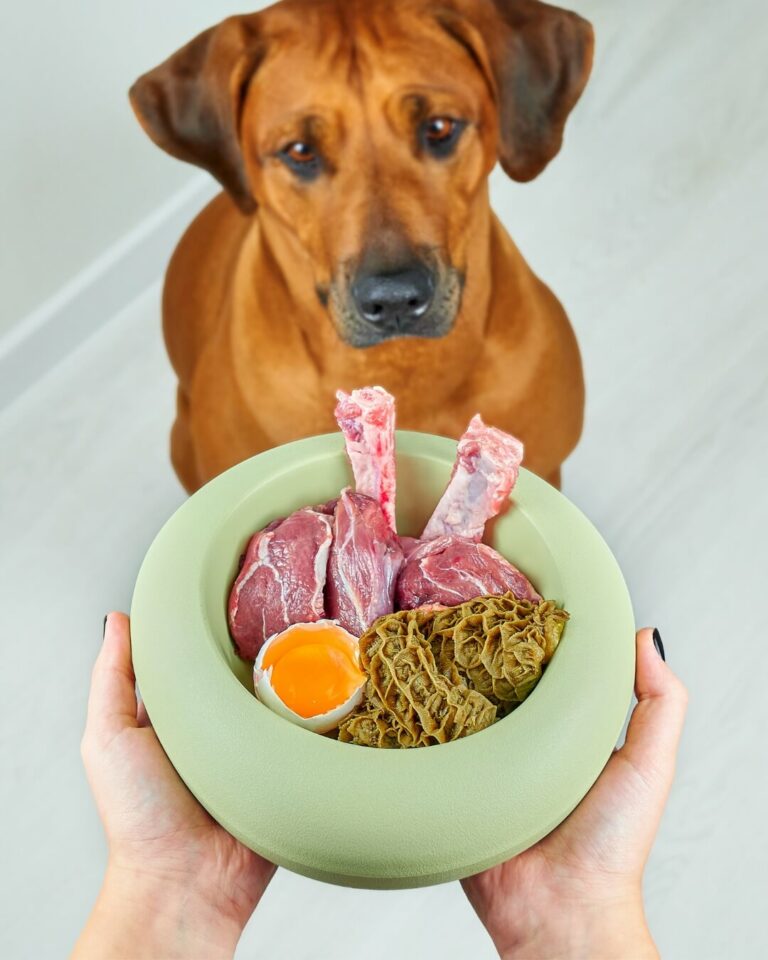
In the case of raw feeding, we must be especially careful, since food can contain bacteria and other microorganisms that are harmful to both animals and people.
To reduce risks:
- Respect the manufacturer's storage instructions.
- Keep food at the right temperature.
- Wash your hands after handling raw food.
- Clean utensils and prep surfaces.
- Prevent food from remaining at room temperature for too long.
Additionally, bones can cause dental injuries, blockages and other problems, so they should not be offered without assessing their risks.
6. Give too many treats and snacks
Treats are useful to reinforce behaviors, stimulate learning and share moments with our dog.
However, we must offer them in moderation.
As a general guide, treats and other complementary foods should represent less than 10% of daily calories, unless otherwise indicated by veterinary medicine.
If we use a lot of snacks during walks or training sessions, we must take them into account within their total diet.
Choosing appropriate products and controlling the quantities will allow us to reward our companion without neglecting his diet.
7. Not adapting the diet to each stage of life
A dog's nutritional needs change throughout its life.
During growth, it needs a diet that allows proper development. In adulthood, we must maintain a healthy body condition. In older dogs, it may be necessary to review their diet based on their activity and health status.
Changes should not be made solely due to age: weight, body condition and possible diseases must also be assessed.
If you have any special needs, it is best to consult with a veterinary professional.
How to choose a suitable diet for your dog?
To make a good decision, start by knowing your partner's needs.
Take into account their age, weight, physical activity and health status. Then, look for a complete and balanced diet that suits your characteristics.
If you are interested in natural nutrition, you can find out about raw and cooked options, their differences and the precautions necessary for each one.
The important thing is not to get carried away solely by fashions or the experiences of other tutors.
At Perro Qué Menu we help you take care of your diet
Every dog is unique and their diet should reflect that.
In Dog What Menu You will find different food options, snacks and products for your companion, as well as a nutrition consultation service to answer your questions and assess their needs.
Because good nutrition is not about following a trend, but about making informed decisions to take care of your well-being.
Do you want to improve your dog's diet? Discover our options and contact Perro Qué Menu to receive more information.