guide to healthy eating
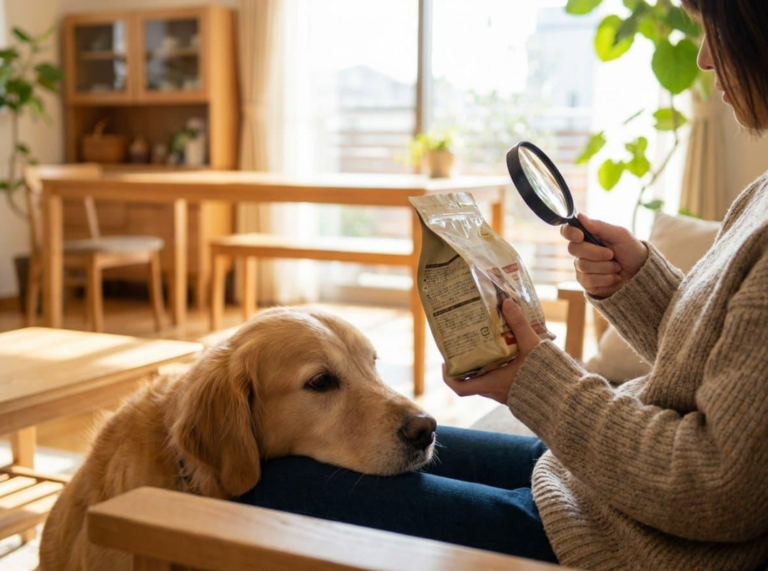
Feeding our dog correctly is not simply about filling his food bowl every day. A good diet should adapt to your needs and take into account factors such as your age, size, physical activity and health.
But what does a dog really need to be well fed? How many times should you eat a day? What quantity do you need? Are prizes recommended?
In this article we tell you some basic aspects to take care of your dog's diet.
1. Choose a diet appropriate for your needs
Not all dogs need the same thing.
A growing puppy has different needs than an adult or senior dog. Likewise, a very active dog will need a different energy intake than a dog with a more sedentary life.
Therefore, before choosing a diet, it is important to take into account:
- Age.
- Weight and size.
- Activity level.
- Body condition.
- Life stage.
- Specific nutritional needs.
The diet must provide the necessary nutrients in adequate amounts to keep the dog healthy.
2. Control the amount of food
One of the most common mistakes is thinking that if the dog is hungry, it needs more food.
The appropriate amount depends on the food consumed and the individual characteristics of the dog. Therefore, we should not be guided solely by the amount asked of us.
Periodically monitoring your weight and body condition will help us know if we are offering an adequate amount.
In addition, we must remember that the prizes, snacks and other foods that we offer during the day are also part of their intake.
3. Maintain an eating routine
Setting schedules can help create a routine for our dog.
The frequency of meals will depend on factors such as your age, size and individual needs. Puppies, for example, usually need several feedings a day, while many adult dogs can be fed one or two meals a day.
The important thing is to maintain a routine that adapts to our dog and its needs.
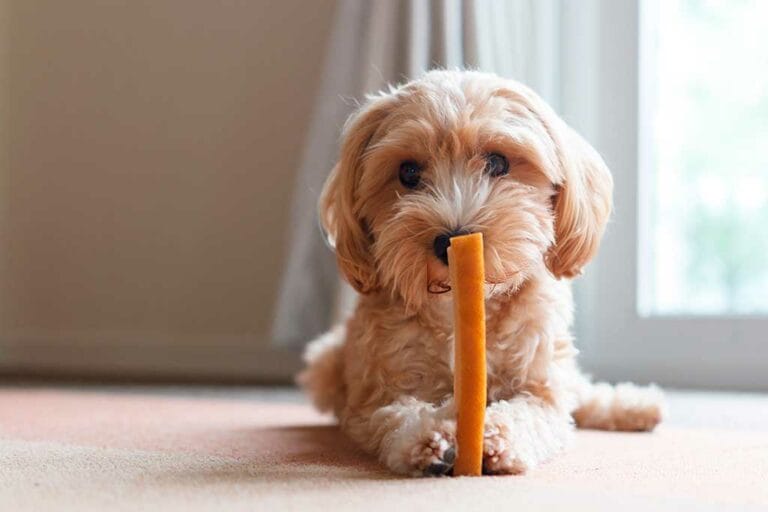
4. Prizes count too
Who doesn't like to reward their dog?
Snacks can be a great tool to reinforce behaviors during education or simply to share a moment with our partner.
However, we must control the quantity.
Treats should not replace your usual diet and should be taken into account within your daily intake.
Choosing appropriate snacks and offering them in moderation will allow us to continue enjoying those small moments without neglecting their diet.
5. Fresh water always available
Hydration is a fundamental part of the daily care of any dog.
Our companion must always have clean, fresh water, especially during the hottest months or after physical activity.
It is also advisable to wash your container frequently to keep it in good condition.
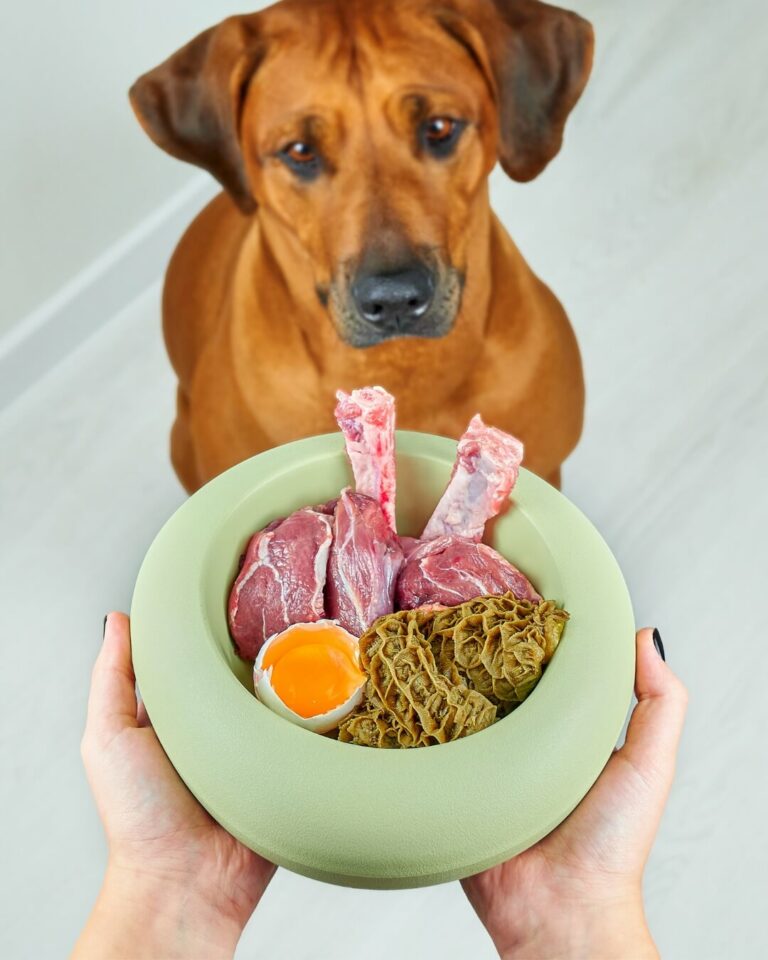
6. Raw or cooked food?
Currently there are different ways to feed a dog.
Some families choose complete commercial foods, while others prefer alternatives such as natural food, either raw or cooked.
Each option has its particularities and the important thing is that the diet is correctly formulated and covers the dog's nutritional needs.
In the case of raw diets, furthermore, it is especially important to pay attention to the handling and conservation of food and to have appropriate advice to avoid nutritional imbalances.
7. Observe how your dog responds
Food should not be judged solely by what appears in the bowl.
Observing our dog can help us detect changes that deserve attention.
We can pay attention to aspects such as:
- Weight changes.
- Body condition.
- Appetite.
- Consistency of feces.
- Energy level.
- General condition.
- Changes in skin or hair.
If we observe persistent or worrying changes, it is advisable to consult a veterinarian.
8. There is no identical diet for all dogs
One of the most important aspects to remember is that every dog is different.
The diet that works perfectly for one dog may not be the best for another.
Therefore, when we have doubts about what to feed, how much to offer or how to make a dietary change, having professional advice can help us make better decisions.
Good nutrition starts with knowing your dog
Feeding a dog correctly means much more than choosing a product.
It means knowing their needs, controlling quantities, maintaining good hydration, using treats in moderation and adapting their diet to the different stages of their life.
In Dog What Menu We can help you find a diet adapted to the needs of your companion, with different feeding options and a service of nutrition consultationbility
Because taking care of your diet is also taking care of your well-being.
Do you have questions about what diet your dog needs? Contact Perro Qué Menu and we will help you find the most suitable option for him.